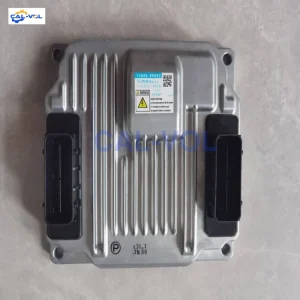
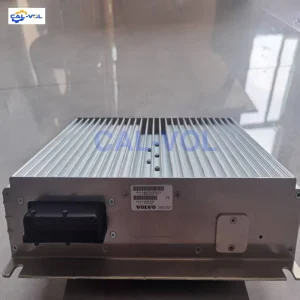
As a seasoned professional in the industry, I will explain this to you in the most straightforward, down-to-earth terms that only insiders truly understand: the electronic control system is by no means a “nice-to-have” accessory, but the real key for domestic excavators to achieve technological overtaking.
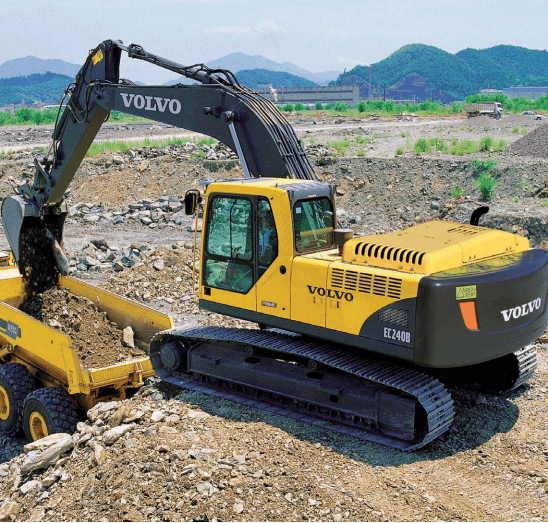
There are now many domestic excavator brands in China. Some originally used production lines from foreign brands—for example, Volvo and Lingong were strategic partners a few years ago. To achieve independent development, Chinese brands have invested in the independent research and development of electronic control systems.
To put it vividly:
Hydraulics are the hands and feet of an excavator,
the engine is the heart,
and the electronic control system is the brain.
Without a breakthrough in electronic control technology, domestic excavators could only copy appearances and compete on price. With breakthroughs in electronic control, we can integrate hydraulics, power, and movement into a unified system, achieving real technological leapfrogging.
Four Core Roles of the Electronic Control System in Excavator Technology Breakthroughs
- Integrate “hydraulics + engine” from two separate systems into one intelligent system
Foreign brands used to dominate mainly because their engine + hydraulics + control logic were deeply matched. In the past, Chinese manufacturers could only buy foreign hydraulics and engines, then assemble them together, resulting in low efficiency, stiff movements, and high fuel consumption.
After the electronic control breakthrough, the system senses operating force, load, speed, and pressure in real time, and automatically adjusts engine output, hydraulic flow, and operation. This achieves fuel saving under light load, strong power under heavy load, and responsive movements. That is why domestic excavators now match or even surpass Japanese brands in fuel consumption, speed, and smoothness.
- Upgrade excavators from “mechanically controlled machines” to “intelligent equipment”
The electronic control system enables previously impossible functions:
- Automatic idle (fuel saving)
- Power mode switching (Power / Standard / Economy)
- Anti-stall, anti-overload protection
- Boom priority, swing priority
- Flow combination control
- Fault self-diagnosis, alarms, anti-theft lock protection
These are not gimmicks—they directly improve efficiency, reduce fuel consumption, and extend service life. Without electronic control, an excavator is just a “lump of iron”; with it, an excavator becomes real engineering equipment.
-
Help domestic brands bypass foreign hydraulic blockades for “indirect overtaking” Foreign brands used to have a strong monopoly: they bundled hydraulic systems with control algorithms. If you bought their pumps and valves, you had to use their controllers with no modification allowed.
Electronic control technology has allowed Chinese manufacturers to break this blockade.
-
Lay the foundation for electrification, intelligence, and unmanned operation Without electronic control, there would be no modern electric excavators, including:
- 5G remote control
- Unmanned mining excavators
- Automatic leveling, automatic trenching
- Data platforms, working-hour statistics
- Fault prediction
The electronic control system provides the digital foundation. All future technologies are built on it.
Why are Chinese excavators now globally leading? Because we lead in electronic control, batteries, 5G, and AI.
Final Summary
The electronic control system is the
core turning point that has transformed China’s excavator industry from “follower” to “leader”.
It has given domestic excavators real advantages:
independent algorithms, independent matching, independent upgrades, and independent intelligence.
Without breakthroughs in electronic control, domestic excavators would not have their current global position.
I look forward to further progress from Chinese brands. At present, each brand has its own positioning—some focus on price, some on operation, some on quality and after-sales service.
As someone working in the excavator industry, I’m always open to further discussion.