Welcome to the comprehensive electronics reference. Building a reliable electrical system requires precision, proper routing, and careful planning. Whether you create a wire harness from scratch or purchase cable assemblies from a top wire harness manufacturer, the goal is transmitting electrical power and power and signal effectively. Every custom wire harness requires a detailed bill of materials and correct wire size to handle the expected electrical load. Using proper wire minimizes the risk of electrical fires. Good electrical conductivity and flexibility ensure the system operates smoothly under stress. Extreme temperatures demand rugged materials so the wire harness organizes connections safely.
Cable and Wire Harness Overview: Bundle, Shield, Cable Bundle, and Cable Harness Basics
A bare wire conducts electricity but is vulnerable. A cable usually consists of multiple wires grouped together. A thick wire requires strong insulation. We bundle these for safety. A cable bundle neatly groups the conductors. When building a cable harness, you must protect the inner conductor. Often, an electromagnetic shield is applied. Using a sturdy foil or metal braid minimizes electromagnetic interference that disrupts signals. Bundling wires correctly reduces dangerous wiring errors. Good cable harness design prevents friction. This assembly can act as a single harness for multiple electrical components. You need to insulate the copper wire carefully. Copper wire provides excellent electrical conductivity, ensuring smooth electrical flow.
Different Wiring Harness Types and Types of Wire Harnesses
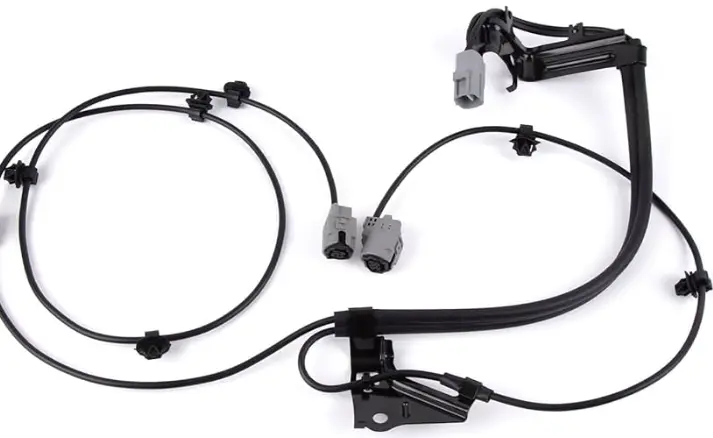
The wire harness industry defines three types of fundamental layouts. There are basic types that fit household goods, and more robust structures for automotive applications. When choosing custom wiring, it is vital to match the layout to the application. Standard wire harness assemblies handle general tasks. Specialized engine harnesses are vital in the automotive engine environment, where high electrical conductivity is mandatory. Specialized harnesses are used to connect industrial control panels and medical devices. Overall, wire harnesses provide a streamlined method to group complex paths. Harnesses are built to last.
Examining Wire Harness Types and Types of Wire
To construct these units, engineers must select the right wire processing techniques. Typical types of materials include PVC or Teflon insulation. Various common materials define the strength of the wire and cable. In complex electrical systems, identifying individual wires among dozens is challenging without color coding. A skilled harness manufacturer uses precise wire harness manufacturing methods. Every wire harness design prioritizes safety. Careful wire harness design guarantees that harnesses are designed to transmit data without loss. Excellent electrical conductivity is retained through proper splicing. The right electrical wire prevents voltage drops.
Terminal, Connector, Harness Connector Types, and Female Wire Harness Connectors and Terminals
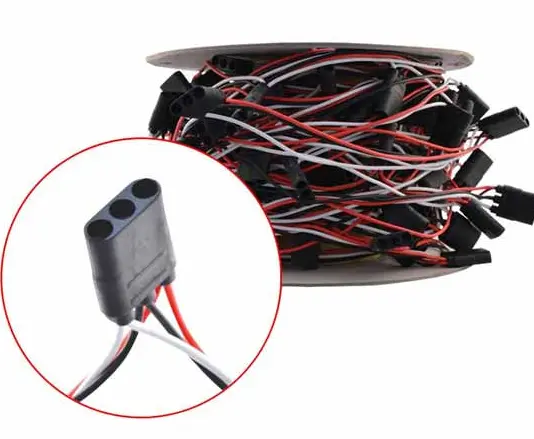
Inside the connector body, a sturdy terminal grips the bare conductor. There are many types of connectors on the market. Board-to-board connectors are frequent in modern logic circuits. You might encounter male connectors and jacks for audio or data. Proper harness terminals and connectors ensure strong joints. After the final termination, a custom harnesses batch undergoes testing. Understanding automotive wiring helps in troubleshooting vehicles. Good automotive wiring prevents shorts. Every harness assembly must pass quality control. A well-made setup arranges cables perfectly.
Expanding on Wire Harness and Wire Component Essentials
When repairing control systems, one must verify the cable assemblies. The common types of faults often relate to a broken wire or damaged cable. A robust wire harness relies heavily on the materials used for its insulation. Without proper insulation, a wire can short out due to poor insulation. We use wire to bridge the gap between a sensor and a connector. A simple wire might seem trivial, but every wire matters. Each wire must connect to the right connector. A broken connector means the cable fails. Therefore, replacing the cable or the connector quickly is vital.
A wire harness integrates multiple wire elements into one cable framework. Every wire within the wire harness connects to a specific connector. As you route the wire, the cable follows the wire harness frame. This wire harness setup is ideal. You plug the wire into the connector, ensuring the cable matches the wire harness diagram. A quality wire harness needs good wire. Without wire, the wire harness is just an empty cable shell without a connector. We strip the wire, crimp the connector, and finalize the wire harness. Each wire, cable, and connector makes the wire harness complete. Secure the cable, verify the wire, check the connector, and install the wire harness. A wire harness makes every wire, connector, and cable organized. For any wire harness, the central wire and main cable connect to the primary connector. The wire harness is the backbone of the wire and cable network, joining every connector securely. The wire harness, wire, cable, and connector are indispensable.