When massive heavy machinery rolls onto a job site, stopping power is non-negotiable. Modern heavy equipment relies on intricate electrical networks to keep operators safe. If a single wire gets pinched by debris, the entire operation is at risk. You might wonder why a tech would investigate a seemingly minor fault. The truth is that diagnosing broken electrical connections is vital to maintaining the control systems. This guide dives into what happens when critical lines fail, why they break, and how a proper fix keeps your machinery safe. It is an absolute must-read for anyone who wants to minimize downtime.
1. How Does the ABS System Prevent Wheel Lockup in Heavy Machinery?
A heavy machine must maintain traction when moving tons of dirt. The abs system constantly monitors how fast each wheel spins. If a heavy dump truck slams on the brakes, the massive tires can skid. This safety network prevents a dangerous skid by rapidly pulsing the hydraulic pressure.
By doing this, the machine can steer safely instead of sliding uncontrollably into a ditch. Heavy iron operates differently than a standard car, but the core physics remain the same. The computer dictates exactly when to release and apply the brake. If this network fails, you risk catastrophic accidents on the site. Typically, this is caused by a broken wire near the front axle.
Did you know? Over 40% of heavy equipment braking failures can be traced back to a simple electrical fault rather than a mechanical breakdown.
Imagine a 40-ton excavator working on a steep incline. The operator relies entirely on the machinery's internal brains to maintain control while swinging a heavy bucket of rocks. The environmental conditions are brutal. Deep mud, sharp debris, and constant mechanical vibration put massive stress on every single cable and connection. When you invest in premium aftermarket replacements, you ensure that these critical communication pathways remain open, allowing the heavy iron to operate smoothly even in the harshest quarries.
2. What Is the Function of an ABS Sensor and How Does It Generate a Signal?
What exactly is the purpose of an abs sensor? Mounted firmly near the hub, this tough little electronic component watches the metal rotation of the assembly. As the wheel spins, the part works to create an electrical signal that is sent straight to the main computer.
This constant pulse lets the brain of the machine know exactly how fast things are moving. To do this, the sensor uses a built-in magnet to pick up this movement. The heavy computer then interprets that speed signal to calculate slip. Every abs sensor must be perfectly aligned to work. If your main control board is acting up, checking your Controller control unit ECU is essential.
The precision required here is astounding. A modern heavy-duty controller reads thousands of inputs per second. It does not just look at speed; it evaluates temperature, hydraulic flow, and joystick position simultaneously. When a single piece of data goes missing because of a severed line, the entire logic loop breaks down. Fleet owners often underestimate how heavily the mechanical parts rely on these fragile electronic components. Sourcing factory-direct aftermarket replacements from heavy industrial hubs ensures you get OEM-level durability without the insane dealer markups.
3. Why Do Mechanics Sometimes Intentionally Cut ABS Lines or Cut ABS Wires?
You might hear rumors about a rogue mechanic deciding to slice lines out in the field. Why would anyone intentionally slice abs wires? Sometimes, a severely damaged wire sends a chaotic, corrupt reading to the computer. This bad data might force the machine to brake randomly, causing the wheels to lock unexpectedly.
To stop the erratic behavior in an extreme pinch, someone might cut the wire to disable the erratic braking entirely until they can get the machine back to the shop. However, this disables vital safety features. The machine will not respond safely. It is a temporary, highly dangerous workaround that should never be permanent. A sliced wire is never a true solution.
"A severed connection is never a true solution; it is a ticking time bomb waiting to cause a massive job site accident." - Senior Heavy Equipment Technician
4. Can You Splice a Cut Sensor Wire to Fix the Brake System?
When heavy equipment operators find a severed line, their first thought is a quick patch. Can you just connect a sensor wire to correct the problem? Yes, but you must be incredibly careful. The line carries a very precise voltage. If you do a sloppy job, corrosion will ruin the connection.
If you decide to tie it back together, you must wrap it tightly with heat shrink. You cannot leave any bare copper exposed to the harsh job site environment. A properly sealed joint ensures the stopping network functions properly without interference. Otherwise, moisture will creep in and destroy the new connection. To ensure total reliability, replacing the whole Wire harness for volvo excavator is always the superior choice. This will prevent a bad wire from causing more downtime.
Field repairs are stressful. When a machine breaks down, the project clock keeps ticking, and thousands of dollars evaporate every hour. Mechanics feel immense pressure to get the iron moving again. However, cutting corners on electrical work always backfires. A poor connection might hold for a day or two, but the constant shaking of the diesel engine will eventually vibrate that connection apart. Investing the time to properly route a brand-new, fully sealed cable bundle is the only way to guarantee the machine will not leave you stranded again next week.
5. How Do You Test a Wheel Speed Sensor for Intermittent Faults and Pull a Code?
Electrical gremlins are a nightmare. Dealing with an occasional fault requires patience and proper testing. When a wheel speed reading drops in and out, the machine might jerk unpredictably. You need a reliable digital multimeter to track down the problem.
You must measure the resistance across the circuit while gently wiggling the cables. If the reading drops, you have found the internal break. Mechanics regularly hunt down these hidden fractures. They also check the main harness connector for bent pins or heavy corrosion. Finally, they use a scanner to pull the trouble log from the computer. Often, the abs sensor is the culprit.
Troubleshooting electrical issues requires a logical, step-by-step approach. You cannot simply throw parts at the machine and hope the error goes away. Professional technicians use specialized diagnostic software that communicates directly with the engine's main computer. They look at live data streams to see exactly what the computer is seeing. If the speed reading suddenly drops to zero while the machine is actively driving forward, the technician immediately knows there is a break in the communication line.
| Sensor Category | Operational Concept | Output Characteristics | Best Application |
| Active | Requires external 5V power | Clean digital square wave | Modern complex machinery |
| Passive | Relies entirely on magnetic induction | Analog alternating current | Older, heavy-duty industrial iron |
6. How Do Passive Sensors Produce an AC Voltage Signal?
There are a few different styles of detection equipment used on heavy axles. Older or more robust designs are often passive. How do these units work? As the tire turns, these units generate a continuous electrical flow. They do not require outside power to work.
Instead, they rely purely on physical motion. They create a very low voltage wave. The amplitude and frequency of this wave change directly with the speed of the tire. The faster the rotation, the higher the frequency. This raw alternating current feeds directly into the main module for instant processing. Without a solid wire connection, this data is lost.

7. What Is the Role of the Tone Ring and Magnet on the Rear Axle?
Deep inside the assembly, there are physical parts moving in harmony. The tone ring is a gear-like ring mounted directly on the rear hub assembly. It spins right alongside the tire. As it turns, every single tooth must pass closely by the tip.
The internal magnetic core creates a stable field. When the teeth rotate through this invisible field, the disturbance causes a voltage spike. If a rock smashes the ring, the abs sensor will misread the data. This causes immediate chaos, often triggering the anti-lock mechanism unnecessarily. This is why every manufacturer insists on keeping the area clean.
Routine maintenance is the best defense against electrical failures. Every time a machine comes into the shop for an oil change, technicians should power wash the undercarriage and inspect the wheel hubs. Mud and clay can pack tightly around these delicate instruments. When that mud dries, it turns as hard as concrete, easily snapping a delicate connection or crushing a protective plastic housing. A simple ten-minute inspection can save you days of stressful downtime and expensive emergency repairs. We also recommend testing your main hydraulic switches. Check out our Solenoid Valve Assembly for Vol-vo to keep your fluid dynamics in check.
8. When Should You Replace a Damaged Harness Component in the Chassis?
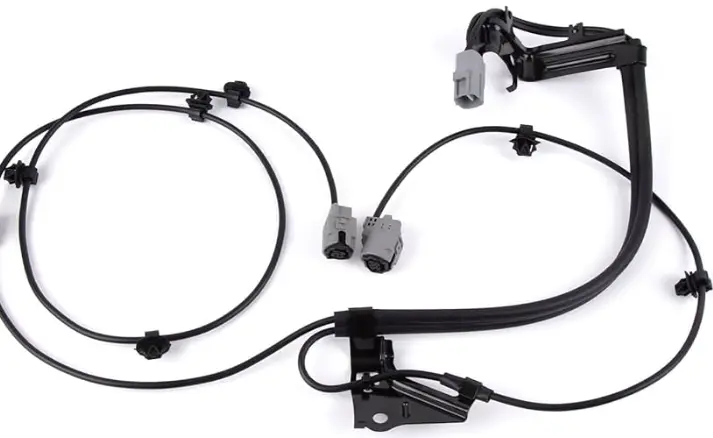
Electrical cables are strapped tightly all over the machine. The main wiring harness acts as the central nervous system. These thick bundles are carefully routed along the heavy steel chassis and suspension to keep them away from moving parts. However, flying gravel and massive vibrations eventually take their toll.
You must replace a damaged section immediately if you see exposed copper. If a bolt comes loose and a bracket drops, a sharp edge can easily pinch the line. Do not wait for a complete failure. Taking the time to inspect your cables regularly prevents massive breakdowns. An abs sensor wire is very delicate.
9. Will a Garage Repair on Two Wires Provide Reliable Stability?
Let's be realistic about field repairs. If you drag your rig into a local shop and they simply twist both cables together, you are asking for trouble. That kind of sloppy fix will never provide true machine balance. In heavy equipment, poor connections cause the computer signals to alternate wildly.
You have to solder the connections securely. A bad splice creates resistance. Too much resistance drops the voltage, causing the check engine or ABS warning light to illuminate. If your cab monitor is damaged, investing in a new Display Panel for volvo excavator is crucial. Always make sure the wire is fully sealed.
10. How Does Application Tech Keep a Heavy Vehicle Safe During an Emergency?
Modern machinery is heavily reliant on advanced software. The use of modern engineering is exactly what keeps massive iron beasts from causing fatal accidents during an urgent crisis. Whether you are driving a heavy articulated hauler or a vintage BMW e30 passenger vehicle, stopping power matters.
When a heavy vehicle loses traction, the main module steps in faster than human reflexes. It reads the data to apply the hydraulic pump perfectly. If you neglect your electrical parts, you strip away this vital safety net. You must ensure the entire network is pristine to get an accurate reading. Your abs sensor depends on a perfect wire connection.
- Prioritize Diagnostics: Always scan the main computer before cutting any cables in the field.
- Seal Your Repairs: Moisture destroys open connections. Use heavy-duty heat shrink on every electrical joint to stop corrosion dead in its tracks.
- Keep It Clean: Mud and rocks easily smash delicate detection parts. Regular undercarriage washing prevents unexpected failures.
- Avoid Temporary Hacks: Slicing lines to disable safety features puts the operator and the job site at immense risk.
- Invest in Quality: Using premium aftermarket harnesses and controllers guarantees your machine stays running when deadlines are tight.