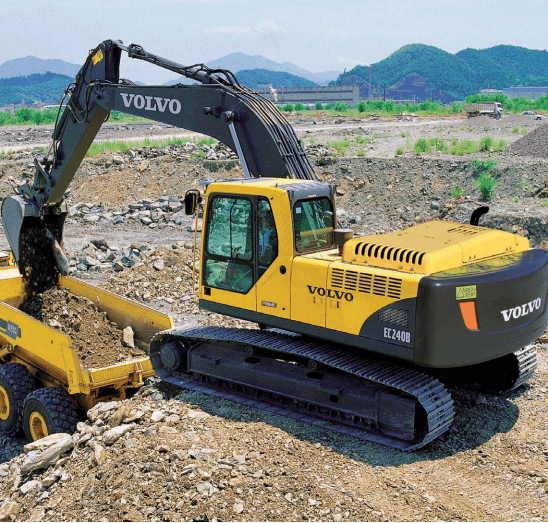
n fact, no matter the brand or model, every excavator has its suitable application scenarios in operation. Some are used in mining projects, some in civil construction, some in road and bridge paving, and others even for digging ditches and filling pits on private lands. No matter the working environment, however, even the best equipment is bound to develop various problems after prolonged use. Today, we are going to talk about how to quickly address engine issues—the “heart” of an excavator.
First of all, evaluate the project progress to decide whether an engine replacement is needed. The core principle is: prioritize compliance + deploy nearest resources + simplify process coordination. This approach can effectively stop losses and minimize damages.
1. Emergency Shutdown and Rapid Fault Diagnosis on Site
- Immediately stop operations, cut off the excavator’s power supply and fuel lines to prevent fault escalation, and contact maintenance personnel to inspect and confirm the fault condition (e.g., piston seizure, cylinder scoring, and other secondary damages).
- Contact the official authorized service station of the excavator brand, and inform them of the model (such as EC210, EC360, etc.) and fault symptoms (e.g., failure to start, abnormal noise, sudden power drop). Alternatively, you can reach out to manufacturers like us that have a comprehensive maintenance and after-sales service system. The key step is technical testing—determine whether an engine replacement is absolutely necessary within one hour to avoid time wasted on blind disassembly.
- If on-site diagnosis is not feasible, arrange for a tow truck to transport the excavator to the nearest service station immediately, so as to reduce waiting time, lower time costs, and facilitate prompt repairs.
2. Explore Backup Solutions (e.g., Standby Engines)
-
“Plug-and-play” Engine Solution (Fastest Option)
Excavators are critical engineering equipment, and each day of downtime incurs significant losses. Therefore, priority should be given to ready-made engines compatible with the excavator model. You can place orders with high-quality remanufacturing manufacturers, which offer short lead times and high practicality.
-
Alternative: Qualified Used Engines of the Same Model (Emergency Backup)
If no ready-made engines are available at the service station, you can turn to regular construction machinery parts suppliers for used engines of the same model with low operating hours. Ensure that the supplier provides inspection reports (including cylinder pressure and crankshaft wear data) to guarantee direct installation compatibility. The downside is the relatively short warranty period, making it suitable for short-term emergency use only.
3. Synchronize “Installation + Documentation” for Time Efficiency
Unlike passenger vehicles, excavators (classified as non-road mobile machinery) do not require engine replacement registration at the vehicle administration office. However, relevant documentation must be retained for future annual inspections and insurance claims:
-
Installation Team
Ask the service station to dispatch a professional team of at least two technicians equipped with special tools, who can either perform on-site installation or carry out the hoisting work at the service station. While disassembling the old engine, clean the engine compartment and inspect auxiliary components (such as the hydraulic pump connection plate, generator, and water tank pipelines) simultaneously to avoid post-installation rework. After installing the new engine, conduct idle running-in and load testing directly to ensure normal operation.
-
Administrative Department
Simultaneously request the engine certificate of conformity, purchase and sale invoice, and maintenance work order from the supplier, and keep the scrapping certificate of the old engine properly. This prevents potential issues during future environmental inspections and equipment transfers.
4. Post-Installation Procedures
Skip unnecessary long-duration running-in. In accordance with the maintenance manual, run the engine at idle speed for 30 minutes and then conduct low-load operation for 2 hours. Normal construction work can be resumed once no oil leaks, abnormal noises, or alarm signals are detected. These standard procedures are routine tasks for experienced excavator operators.
In the final analysis, the key lies in rationally evaluating project progress and labor time costs. To achieve rapid engine replacement, you need access to formal channels, professional technical partners, and suppliers with a sufficient range of spare parts. This enables quick problem identification and the formulation of optimal solutions tailored to on-site conditions. This is exactly the one-stop service solution provided by Xuzhou Kavo.